St. Francisville, Louisiana
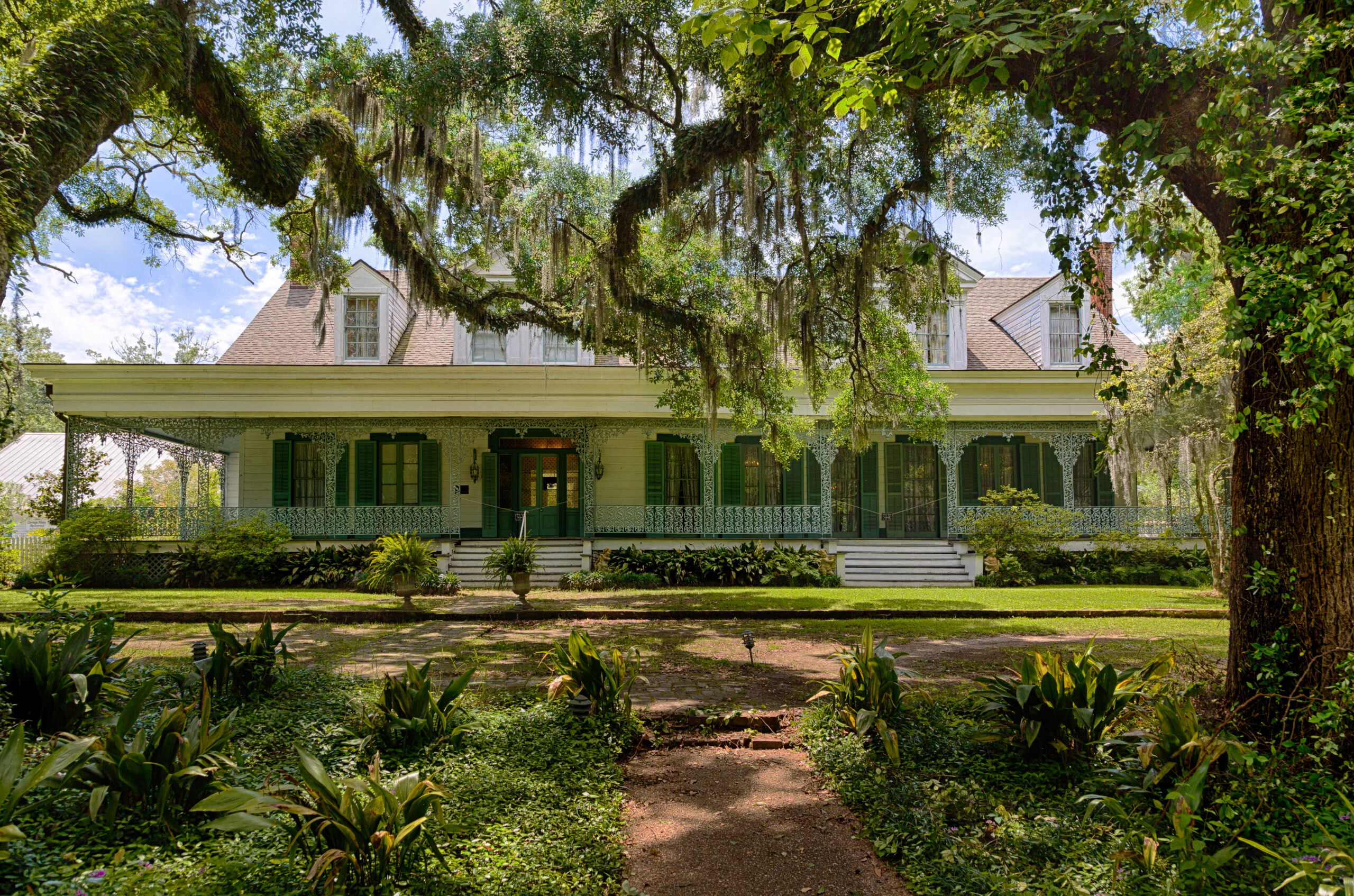
The Myrtles Plantation, often called “one of the most haunted homes in America,” sits just outside St. Francisville, Louisiana. The house was built in 1796 by General David Bradford, a lawyer who fled Pennsylvania after his role in the Whiskey Rebellion. He named the property Laurel Grove and lived there quietly until his pardon allowed his family to join him a few years later.
In 1820, the property was sold to Clark Woodruff, who had married Bradford’s daughter, Sarah Mathilda. Under Woodruff, the home was expanded and operated as a working plantation. Decades later, Ruffin Gray Stirling purchased the estate, renamed it The Myrtles, and dramatically renovated it into the grand antebellum mansion seen today—with hand-carved mantels, elaborate ironwork, and a striking 125-foot veranda.
Over the following century, the plantation saw numerous owners, tragedies, and periods of decline. Civil War skirmishes, yellow fever, and family deaths fed the air of sorrow that now surrounds the house. Today, The Myrtles operates as a historic inn and museum that welcoming visitors from around the world drawn by its architecture—and its reputation.
Paranormal Claims
The Myrtles’ ghost stories are as famous as its oak-shaded beauty. Guests have reported cold spots, phantom footsteps, doors that open and close without explanation, and the unshakeable feeling of being watched. In the parlor, invisible hands play a ghostly melody on the old piano in the parlor. Some claim to see apparitions in photographs—particularly in the large, vintage mirror in the foyer.
A young girl in 19th-century dress reportedly appears near the grand staircase. She has also been glimpsed peering out from behind furniture before vanishing into thin air. A Confederate soldier is commonly spotted pacing the porch, or patrolling the grounds at night.
The Legend of “Chloe”
The plantation’s most famous spirit is that of Chloe, who is said to have been an enslaved woman who worked in the main house. According to the legend, Chloe was caught eavesdropping on the Woodruff family and was punished by having her ear cut off. Seeking revenge, she baked a poisoned birthday cake for the family. In some versions of the tale, Chloe only intended to make the family ill, so that she could nurse them back to health and regain their favor. Either way, Sarah Mathilda and her two daughters ate the cake and died shortly after. Chloe was later hanged on the property by other enslaved workers, and her body was thrown into the Mississippi.
Visitors report seeing a woman wearing a green headscarf wandering the grounds and appearing in photos taken on the veranda. Some say her perfume can be detected in the halls, and others hear children’s laughter echoing from empty rooms.
However, historical evidence does not support the story. Plantation records show no mention of a woman named Chloe. Furthermore, the Woodruff family deaths were attributed to yellow fever, not poisoning. The tale seems to have originated in the mid-20th century, long after the events it describes, and was likely created to attract tourists when the home was first opened for tours.
Legacy
Today, The Myrtles Plantation functions as both a historic bed-and-breakfast and museum, preserving its architecture while embracing its haunted fame. Paranormal researchers, tourists, and historians all tread its creaking floors, each chasing a different truth: one of history, one of mystery, and one of memory.
Whether the house is truly haunted or merely heavy with echoes of its past, The Myrtles endures as a symbol of how legend can root itself as deeply as the live oaks that surround it.
Contact
7747 US-61
St Francisville, LA 70775
Phone: (225) 635-6277
Affiliations
Book a Tour
Tour The Myrtles
Accommodations
The Myrtles
Dining & Entertainment
Restaurant 1796
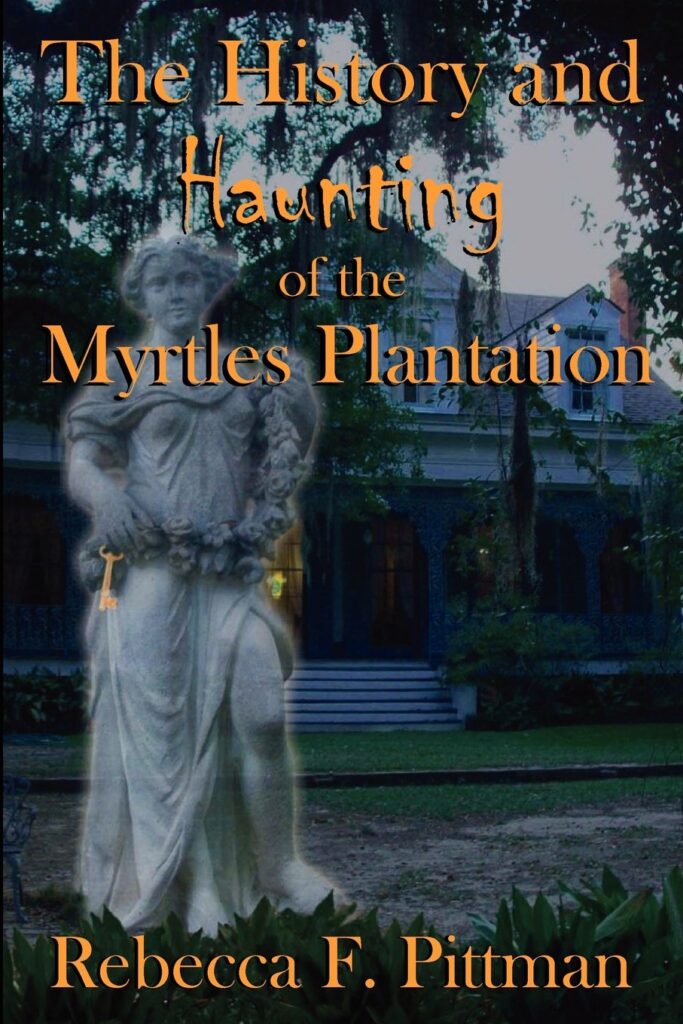
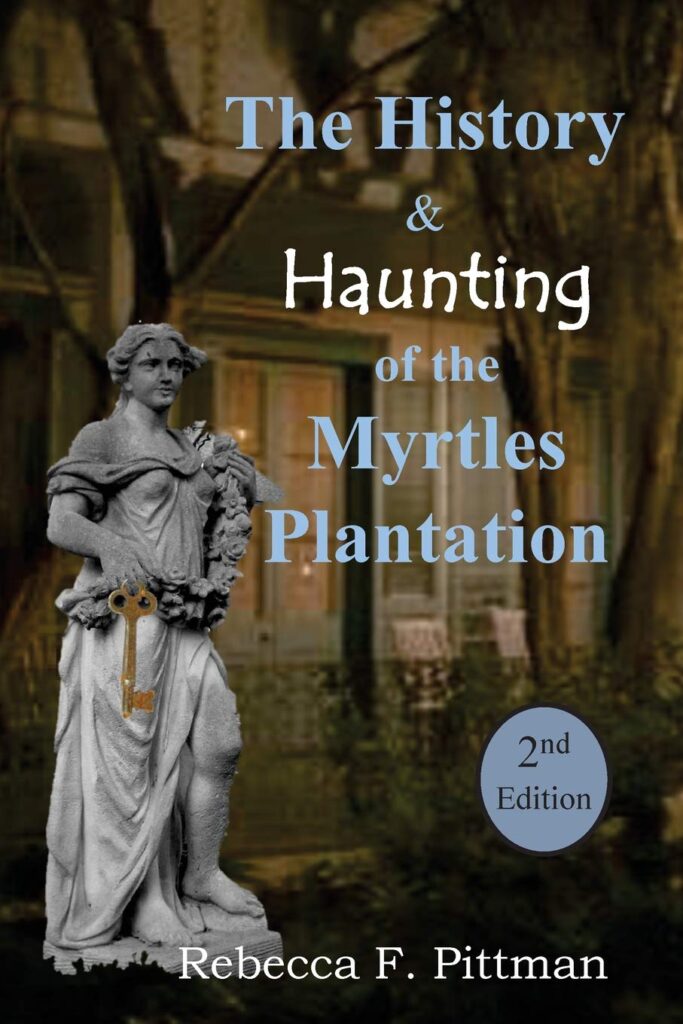
Suggested Reading